• Twitter
  • RSS
  • Contact Us
Coastal Resilience
  • About
    • Ten Years of Coastal Resilience
    • Team and Partners
    • Terms of Use
  • Natural Solutions
    • Approach
      • Assess
      • Identify
      • Action
      • Measure
    • Toolkit
  • Collaborations
    • Accounting for Nature
    • AI for Conservation
    • Nature and Insurance
    • Open Space
    • Nature in Humanitarian Cycle
  • Projects
    • Australia
      • Victoria
      • Western Australia
    • Caribbean
      • República Dominicana
      • Grenada and St Vincent and the Grenadines
        • At the Waters Edge
        • Grenada Resilient Islands
      • Jamaica
      • Resilient Islands
      • U.S. Virgin Islands
    • Indonesia
    • United States
      • California
        • California Coastal Resilience Network
      • Connecticut
      • Georgia
      • Gulf of Mexico
      • Hawaii
      • Maine
      • New Jersey
      • New York
      • North Carolina
      • Northeast and Mid-Atlantic
      • Southeast Florida and the Florida Keys
      • Southeast U.S.
      • South Carolina
      • Virginia Eastern Shore
      • Washington
        • Puget Sound
        • Southwest Washington
    • Mexico and Central America
  • Tools
    • Apps
    • Training
  • Resources
    • Stories and News
    • Research Library
    • Related Projects
    • Fact Sheets
    • FAQs
  • Mapping Portal
Select Page
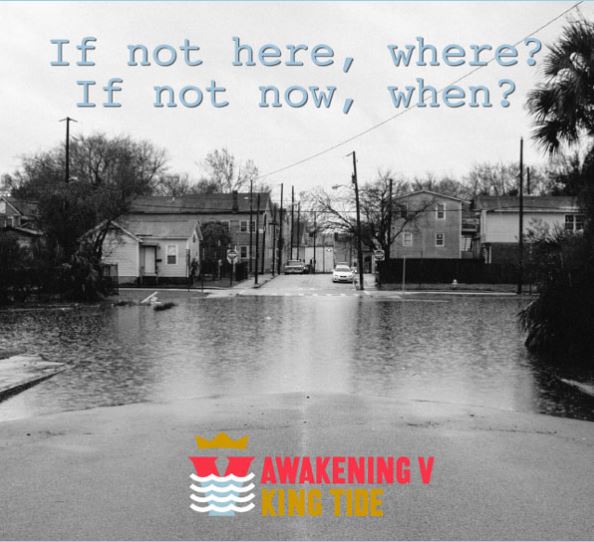
Rising waters featured through public art, parades, lectures, and events in Charleston, SC

Rising waters featured through public art, parades, lectures, and events in Charleston, SC

by Coastal Resilience | Jun 30, 2017 | South Carolina, Southeast Atlantic, Story

A network of residents, artists, businesses and activists, committed to equitable and just growth has assembled a team to shine a light on rising waters through public art, parades, lectures, and events for the Awakening V: King Tide.
14 Solutions to Problems Climate Change Poses for Conservation

14 Solutions to Problems Climate Change Poses for Conservation

by Coastal Resilience | Jun 30, 2017 | South Carolina, Southeast Atlantic, Story

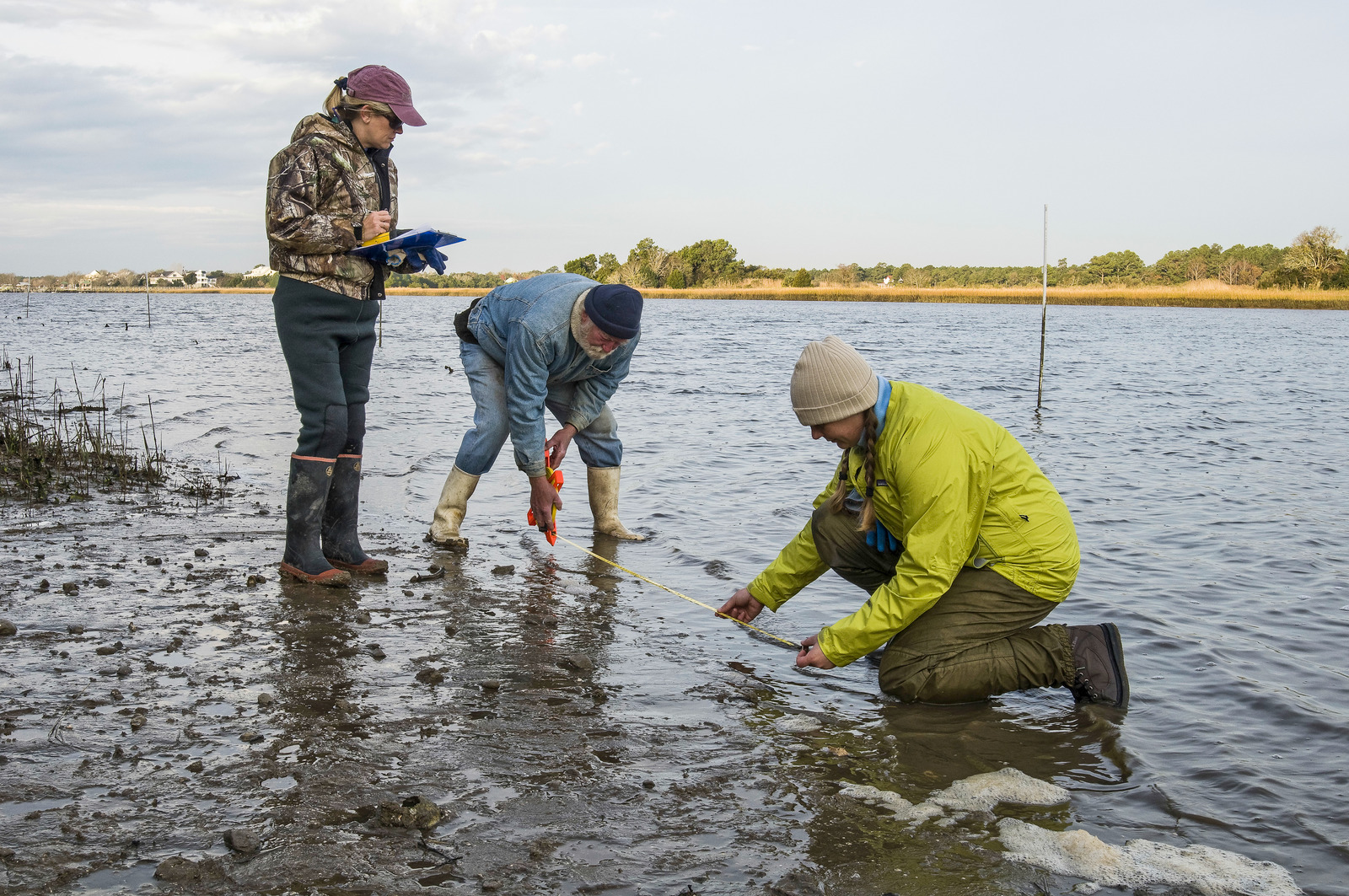
The Wildlife Conservation Society (WCS) Climate Adaptation Fund just released a new report, 14 Solutions to Problems Climate Change Poses for Conservation, which features six previously funded projects at TNC. Check it out for inspiration!
St. Marys Flood Resiliency Project

St. Marys Flood Resiliency Project

by Coastal Resilience | Jun 28, 2017 | Georgia, News, Southeast Atlantic, Story

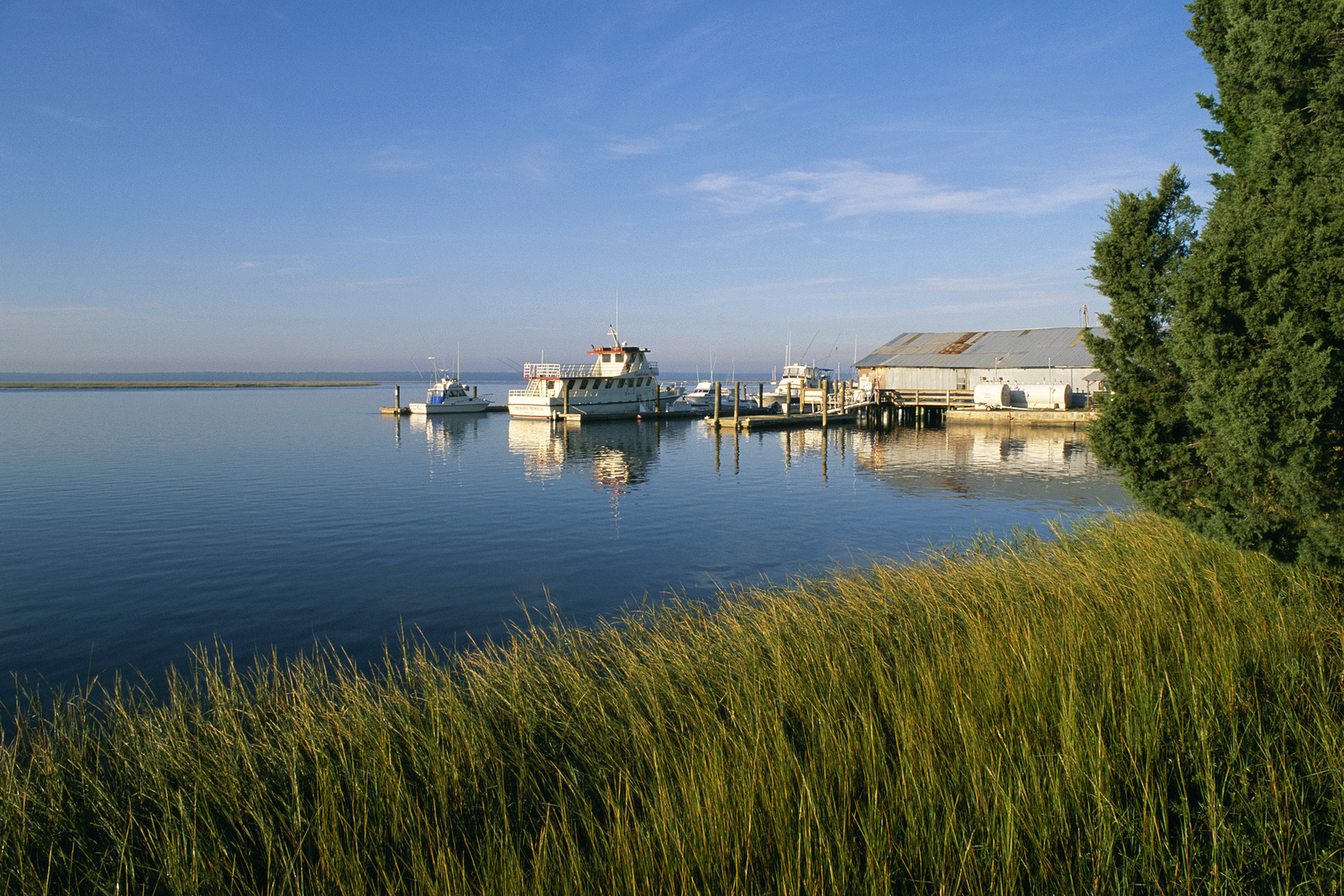
The recently released St. Marys Flood Resiliency Project is the result of a collaborative effort to assess the coastal community’s hazards and flood vulnerability through community outreach and engagement and report on progress with their community rating system Read more…
The Nature Conservancy and Microsoft bring tech innovations to environmental efforts

The Nature Conservancy and Microsoft bring tech innovations to environmental efforts

by Coastal Resilience | May 5, 2017 | Geospatial Technology, Story

The Nature Conservancy is teaming up with Microsoft to bring machine learning and other tech innovations TNC’s online mapping tools to build more powerful software for processing large data volumes and quickly generating results.
Interview: Protecting Our First Line of Defense

Interview: Protecting Our First Line of Defense

by Coastal Resilience | May 5, 2017 | Story

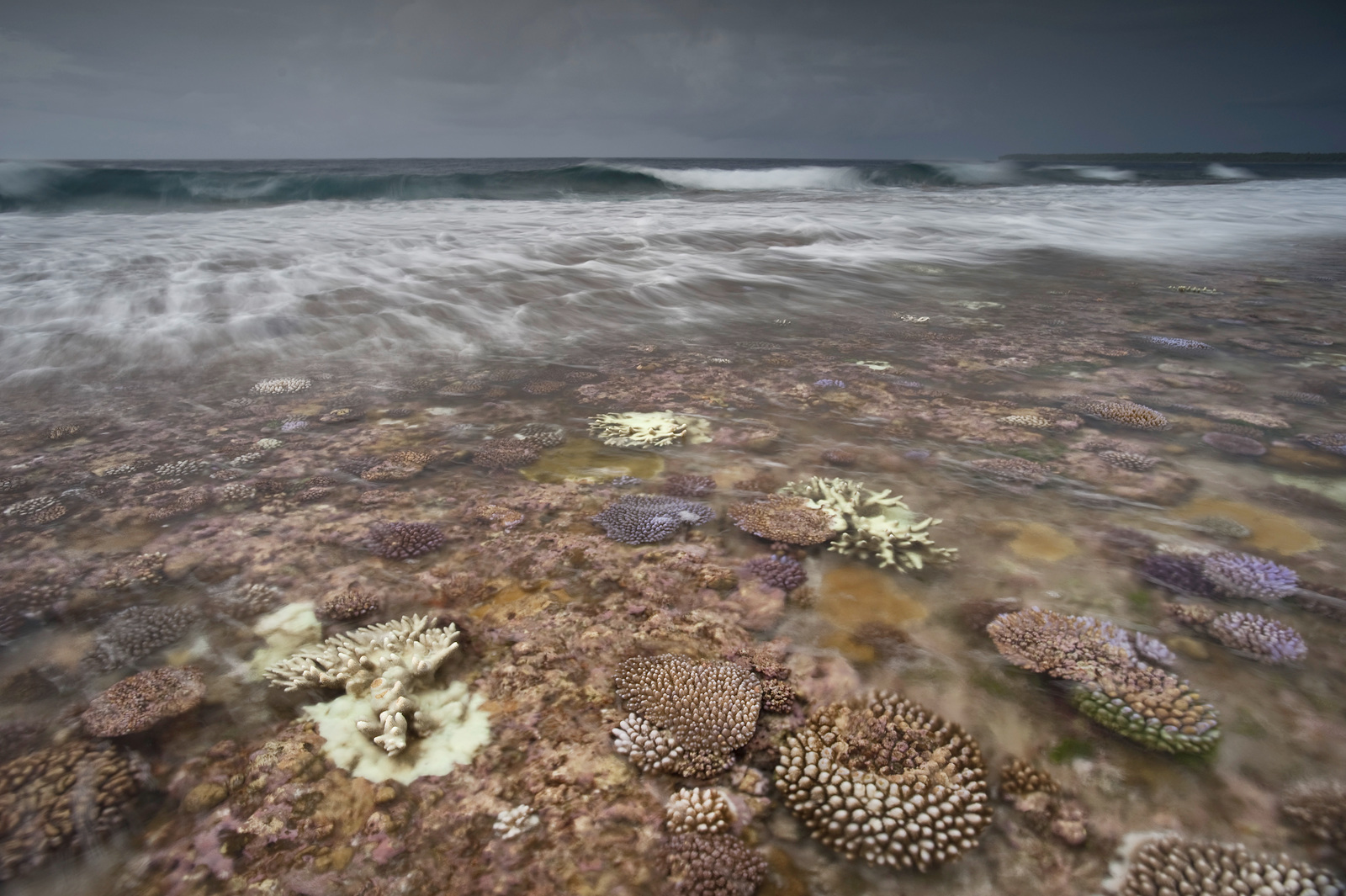
The International Climate Initiative interviewed TNC’s Lead Ocean Scientist, Mike Beck about our global coral reef and mangrove modelling work and the Atlas of Ocean Wealth.
UGA institute seeks solutions to major infrastructure challenges

UGA institute seeks solutions to major infrastructure challenges

by Coastal Resilience | May 4, 2017 | Georgia, News, Story

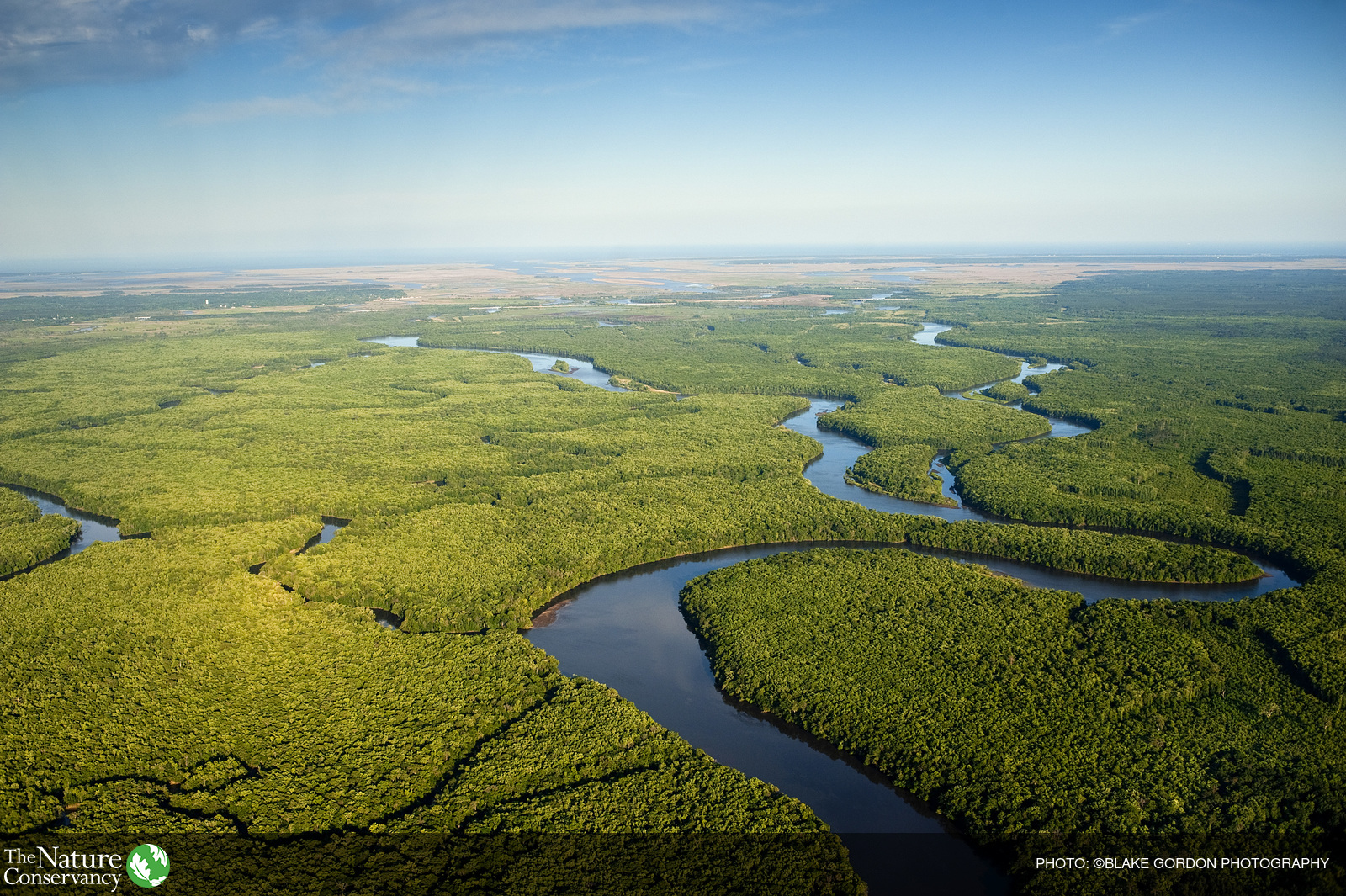
The University of Georgia (UGA) has created a research institute that will work to help communities rethink, transform and adapt their infrastructure in a time of rapid environmental and social change. Read more…

« Older Entries
Next Entries »

About Coastal Resilience

Coastal Resilience is a global network of practitioners who are applying an approach and web-based mapping tool designed to help communities understand their vulnerability from coastal hazards, reduce their risk and determine the value of nature-based solutions.

RSS Our Latest on Twitter

  • Twitter
  • RSS

nature.org© 2021 The Nature Conservancy | Terms of Use | Privacy Statement