• Twitter
  • RSS
  • Contact Us
Coastal Resilience
  • About
    • Ten Years of Coastal Resilience
    • Team and Partners
    • Terms of Use
  • Natural Solutions
    • Approach
      • Assess
      • Identify
      • Action
      • Measure
    • Toolkit
  • Collaborations
    • Accounting for Nature
    • AI for Conservation
    • Nature and Insurance
    • Open Space
    • Nature in Humanitarian Cycle
  • Projects
    • Australia
      • Victoria
      • Western Australia
    • Caribbean
      • República Dominicana
      • Grenada and St Vincent and the Grenadines
        • At the Waters Edge
        • Grenada Resilient Islands
      • Jamaica
      • Resilient Islands
      • U.S. Virgin Islands
    • Indonesia
    • United States
      • California
        • California Coastal Resilience Network
      • Connecticut
      • Georgia
      • Gulf of Mexico
      • Hawaii
      • Maine
      • New Jersey
      • New York
      • North Carolina
      • Northeast and Mid-Atlantic
      • Southeast Florida and the Florida Keys
      • Southeast U.S.
      • South Carolina
      • Virginia Eastern Shore
      • Washington
        • Puget Sound
        • Southwest Washington
    • Mexico and Central America
  • Tools
    • Apps
    • Training
  • Resources
    • Stories and News
    • Research Library
    • Related Projects
    • Fact Sheets
    • FAQs
  • Mapping Portal
Select Page
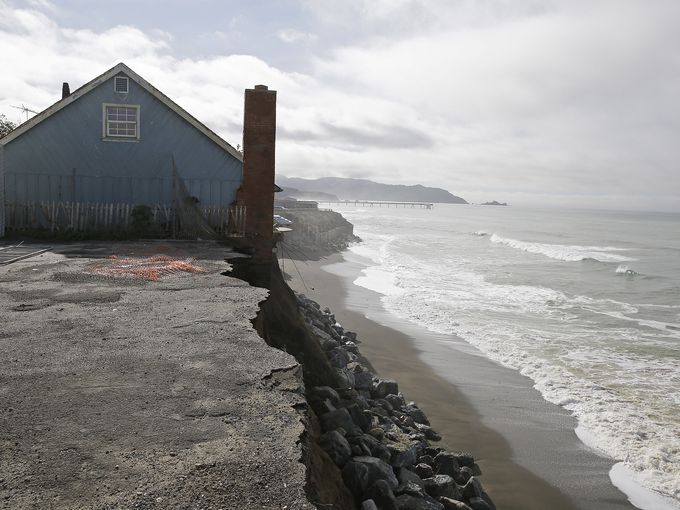
Coastal Erosion causes State of Emergency in Pacific, CA

Coastal Erosion causes State of Emergency in Pacific, CA

by Coastal Resilience | Oct 28, 2016 | News, Story

The City of Pacifica has declared a State of Emergency and has condemned an apartment complex teetering on the edge of an eroding bluff, a direct result of the recent El Nino storms. The City forced residents of the complex, anticipating that sections of the bluff...
Coastal Alabama: linking restoration with technology

Coastal Alabama: linking restoration with technology

by Coastal Resilience | Oct 28, 2016 | News, Story

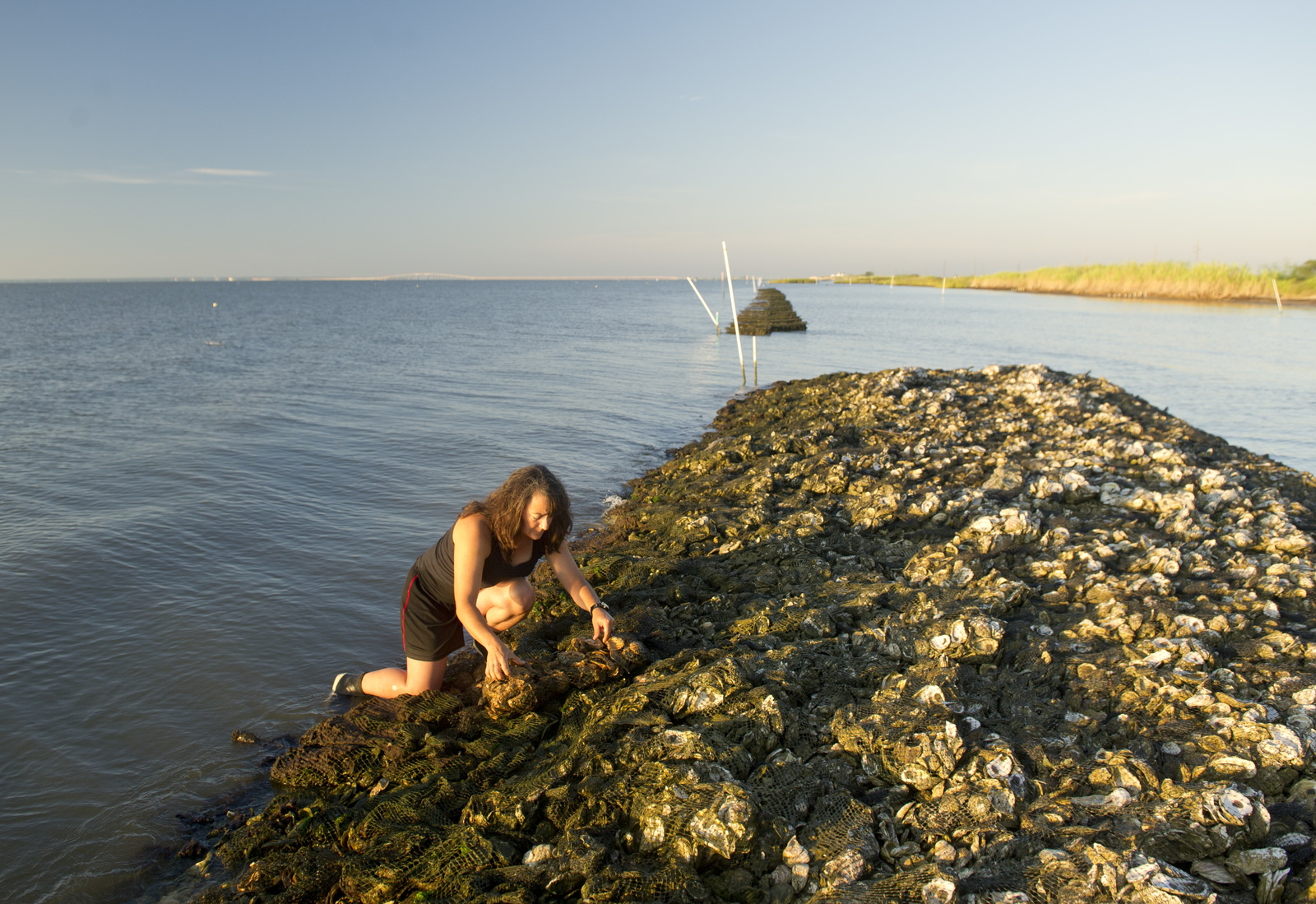
Coastal Alabama project selected Prize for Progress finalist The Nature Conservancy’s Coastal Alabama project was selected as a finalist of the Prize for Progress award sponsored by the American Society of Adaptation Professionals (ASAP). The project, titled “Coastal...
Coastal Alabama Recognized for Innovation by American Society of Adaptation Professionals

Coastal Alabama Recognized for Innovation by American Society of Adaptation Professionals

by Coastal Resilience | Oct 28, 2016 | News, Story

The Nature Conservancy (TNC) was recognized at the May, 2015 National Adaptation Forum for it’s work alongside its key partners Alabama Coastal Foundation, Mobile Baykeeper and The Ocean Foundation) in coastal Alabama. The National Adaptation Forum is “a...
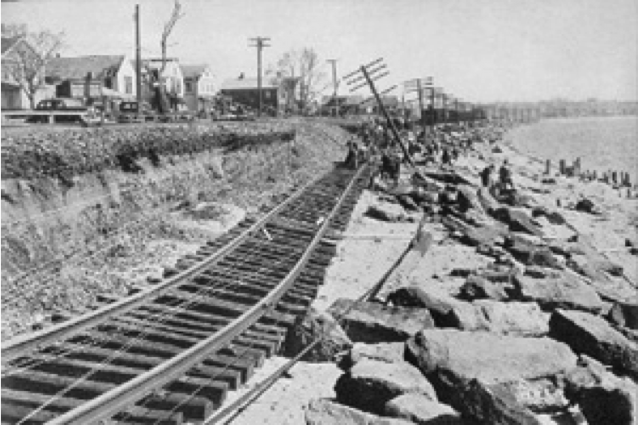
Climate Change and Transportation: What Can We Do About Vulnerable Rail Lines?

Climate Change and Transportation: What Can We Do About Vulnerable Rail Lines?

by Coastal Resilience | Oct 28, 2016 | News, Story

The impacts of climate change and extreme weather is a growing issue of concern for transportation -particularly railroads. The CT Mirror recently ran a two-part series identifying the projected impacts on rail lines and stations in Connecticut. This ambitious piece...
Can Building Resilient Coral Coastlines Help Protect Grenada?

Can Building Resilient Coral Coastlines Help Protect Grenada?

by Coastal Resilience | Oct 28, 2016 | News, Story

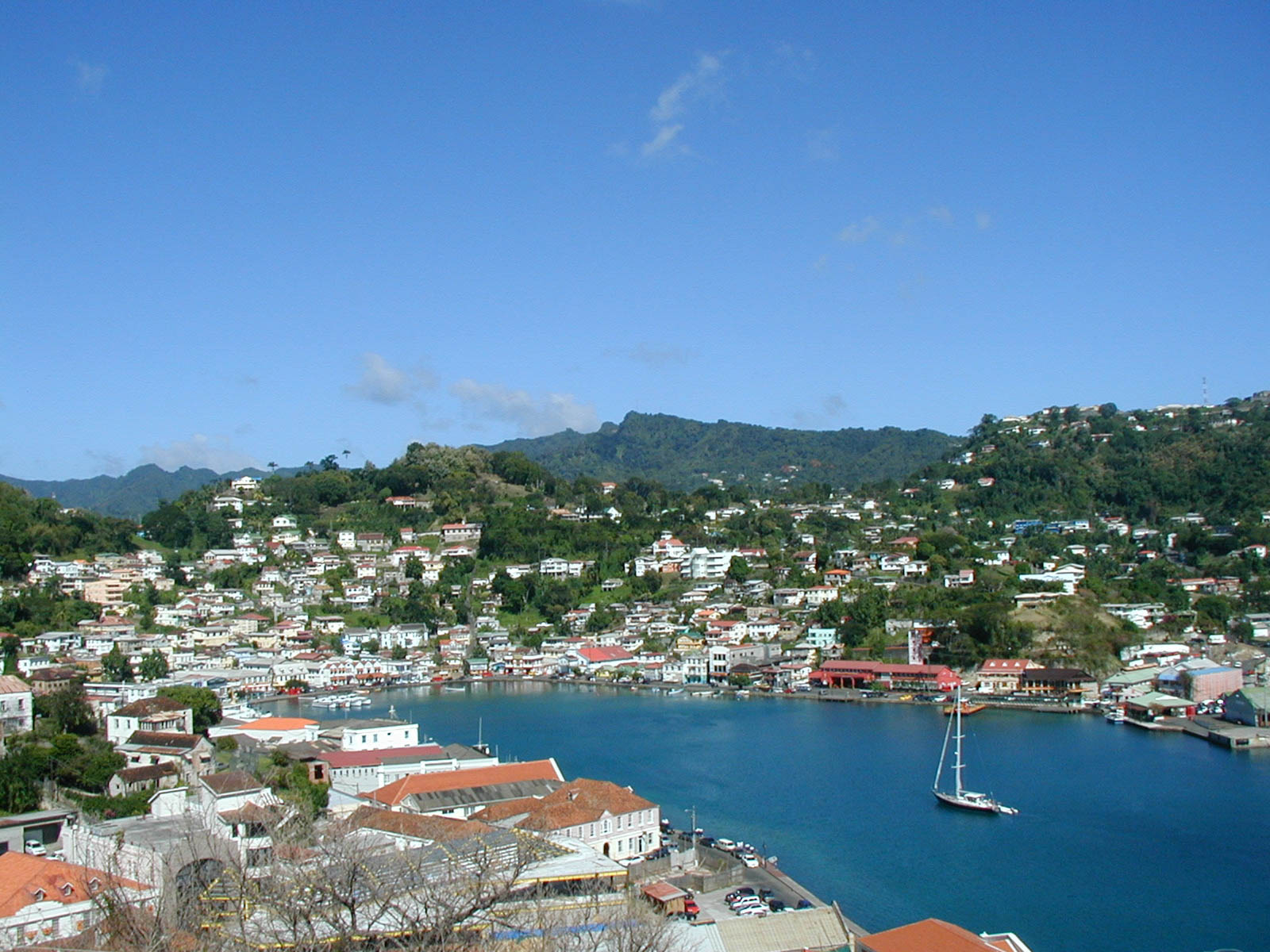
Contributed by: Phil Kramer and Ruth Blyther, The Nature Conservancy After two weeks of intense building, TNC Global Marine and Caribbean staff have completed the construction phase of the Grenada coral reef pilot project in Grenville. This new artificial reef is part...
Calling All California Citizen Scientists (You)!

Calling All California Citizen Scientists (You)!

by Coastal Resilience | Oct 10, 2016 | California, News, Story

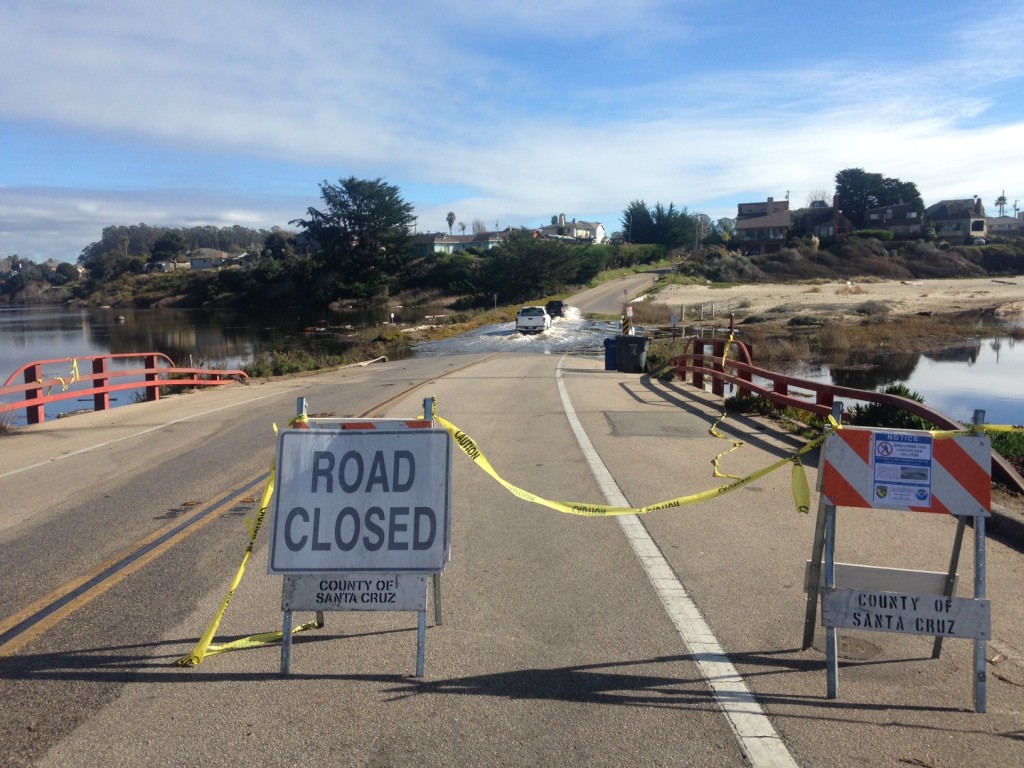
You can help! Please post pictures of flooding and other coastal events to Flickr’s CA King Tides group with the hashtag #elninoca.

Next Entries »

About Coastal Resilience

Coastal Resilience is a global network of practitioners who are applying an approach and web-based mapping tool designed to help communities understand their vulnerability from coastal hazards, reduce their risk and determine the value of nature-based solutions.

RSS Our Latest on Twitter

  • Twitter
  • RSS

nature.org© 2021 The Nature Conservancy | Terms of Use | Privacy Statement