• Twitter
  • RSS
  • Contact Us
Coastal Resilience
  • About
    • Ten Years of Coastal Resilience
    • Team and Partners
    • Terms of Use
  • Natural Solutions
    • Approach
      • Assess
      • Identify
      • Action
      • Measure
    • Toolkit
  • Collaborations
    • Accounting for Nature
    • AI for Conservation
    • Nature and Insurance
    • Open Space
    • Nature in Humanitarian Cycle
  • Projects
    • Australia
      • Victoria
      • Western Australia
    • Caribbean
      • República Dominicana
      • Grenada and St Vincent and the Grenadines
        • At the Waters Edge
        • Grenada Resilient Islands
      • Jamaica
      • Resilient Islands
      • U.S. Virgin Islands
    • Indonesia
    • United States
      • California
        • California Coastal Resilience Network
      • Connecticut
      • Georgia
      • Gulf of Mexico
      • Hawaii
      • Maine
      • New Jersey
      • New York
      • North Carolina
      • Northeast and Mid-Atlantic
      • Southeast Florida and the Florida Keys
      • Southeast U.S.
      • South Carolina
      • Virginia Eastern Shore
      • Washington
        • Puget Sound
        • Southwest Washington
    • Mexico and Central America
  • Tools
    • Apps
    • Training
  • Resources
    • Stories and News
    • Research Library
    • Related Projects
    • Fact Sheets
    • FAQs
  • Mapping Portal
Select Page
Miami-Dade County Takes Steps Towards Climate Resilience

Miami-Dade County Takes Steps Towards Climate Resilience

by Coastal Resilience | Oct 25, 2016 | Southeast Atlantic, Southeast Florida

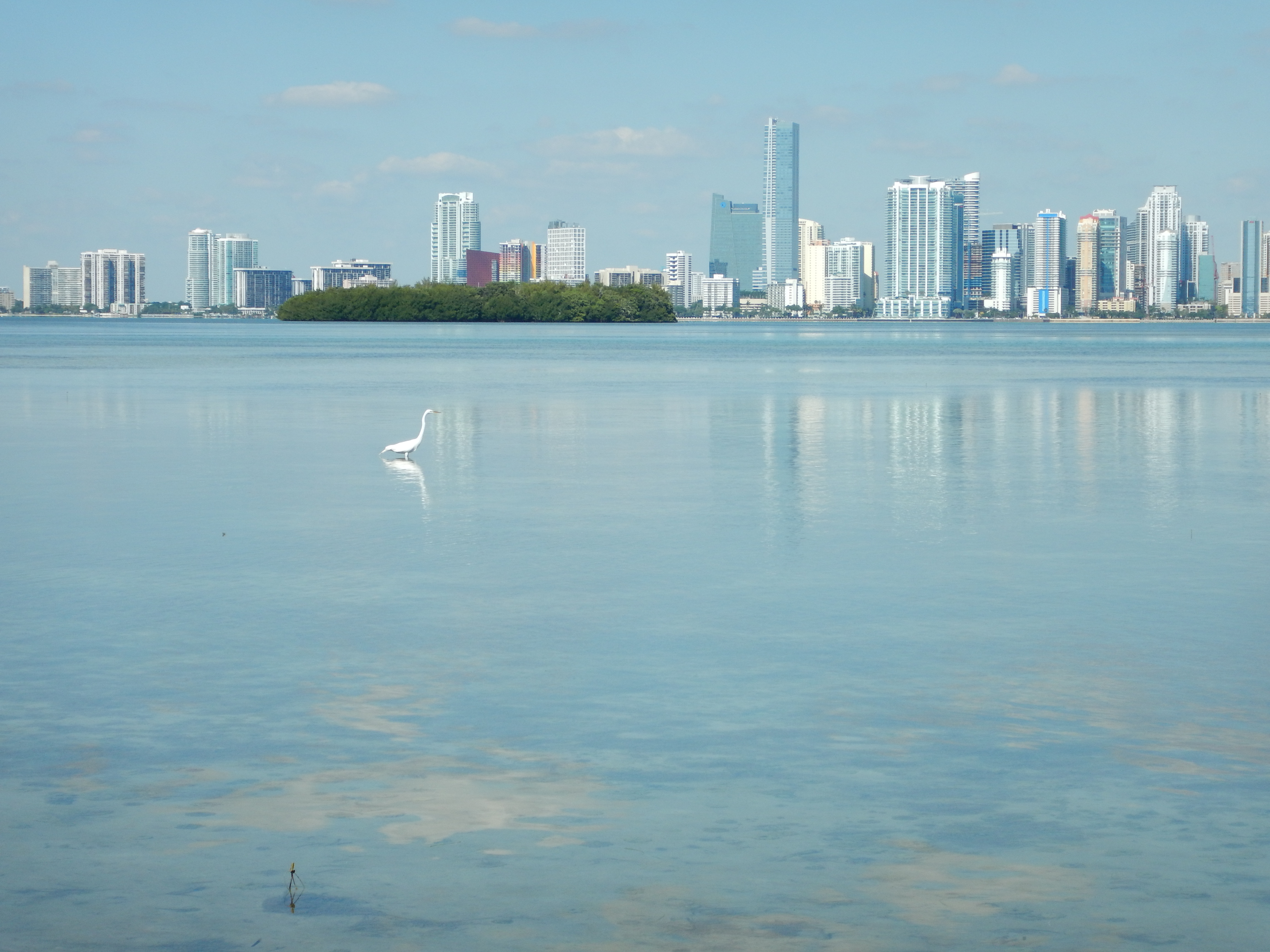
Florida is considered one of the most vulnerable and at-risk states to sea level rise, tropical storms, and variations in precipitation levels. In fact, just weeks before Hurricane Matthew made landfall as a Category 1 Hurricane, Miami-Dade County released a...
Integrating Natural Defenses into Sustainable Coastal Risk Management: New Report

Integrating Natural Defenses into Sustainable Coastal Risk Management: New Report

by Coastal Resilience | Oct 7, 2016 | Southeast Atlantic, Southeast Florida

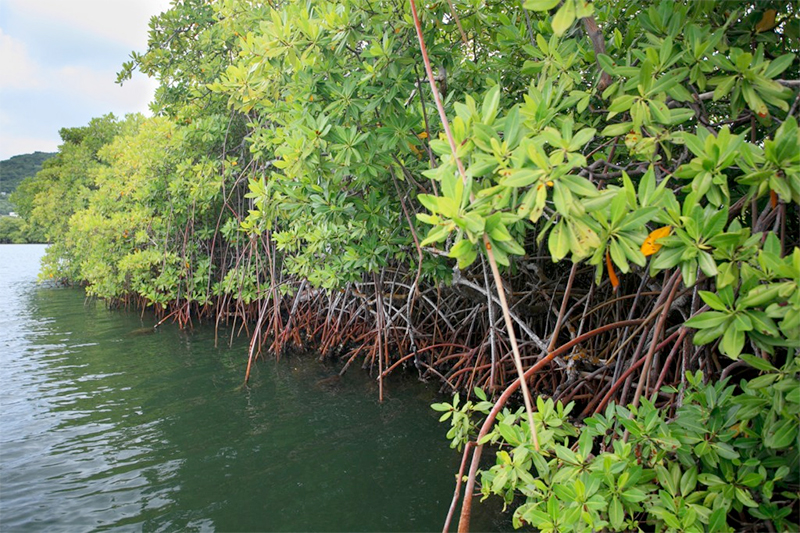
DOWNLOAD FULL REPORT With poorly planned coastal development comes an increase in risk due to coastal hazards and climate change. In the U.S. alone, more than half of the nation’s population lives on the coast.  Since 1960, population in coastal areas has increased by...
New blog about King Tides highlights the need to think ahead in anticipation of sea level rise.

New blog about King Tides highlights the need to think ahead in anticipation of sea level rise.

by Coastal Resilience | Oct 7, 2016 | Southeast Atlantic, Southeast Florida

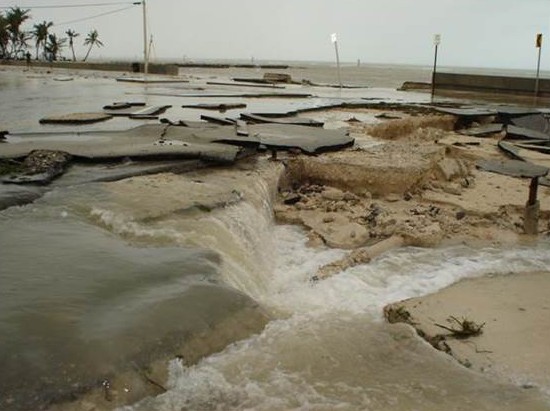
People often talk about King Tides and climate change, but I think it’s important to point out that these tides are cyclical and predictable, and they happen all around the world. Australia, South America, everywhere, and have happened as long as there have been...
Coastal Defense App highlights protective role of coral reefs and mangroves in S.E. Florida and the Keys

Coastal Defense App highlights protective role of coral reefs and mangroves in S.E. Florida and the Keys

by Coastal Resilience | Oct 7, 2016 | Southeast Atlantic, Southeast Florida

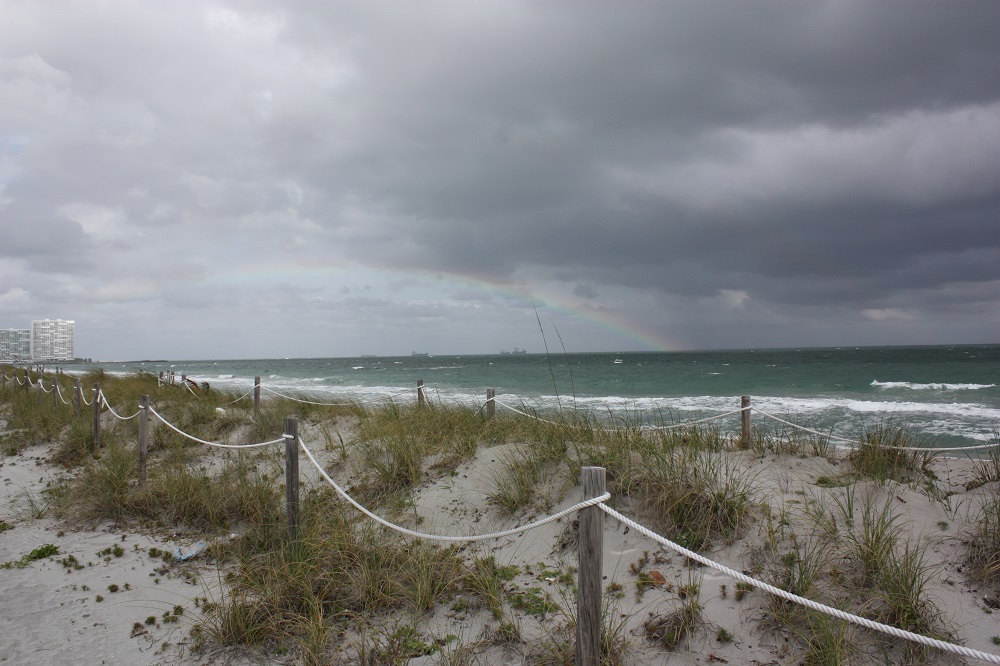
Southeast Florida and the Florida Keys are among the most vulnerable regions in the world when it comes to coastal storms and sea level rise. Fortunately, the region is endowed with natural coastal defenses such as coral reefs, beaches, dunes and mangrove wetlands...
Building Climate Resilience with Nature

Building Climate Resilience with Nature

by Coastal Resilience | Oct 7, 2016 | Southeast Atlantic, Southeast Florida

New partnerships and pilot projects in Miami-Dade County use natural infrastructure to make communities safer and more resilient MIAMI, FL | March 29, 2016 In an effort to find smart solutions for sea-level rise, storms, floods and other climate impacts in South...

About Coastal Resilience

Coastal Resilience is a global network of practitioners who are applying an approach and web-based mapping tool designed to help communities understand their vulnerability from coastal hazards, reduce their risk and determine the value of nature-based solutions.

RSS Our Latest on Twitter

  • Twitter
  • RSS

nature.org© 2021 The Nature Conservancy | Terms of Use | Privacy Statement